How Britain's Leading Gaming Operators Structure Ongoing Player Rewards Beyond Initial Sign-Ups
Bianca Jenkins · Sep 6, 2026
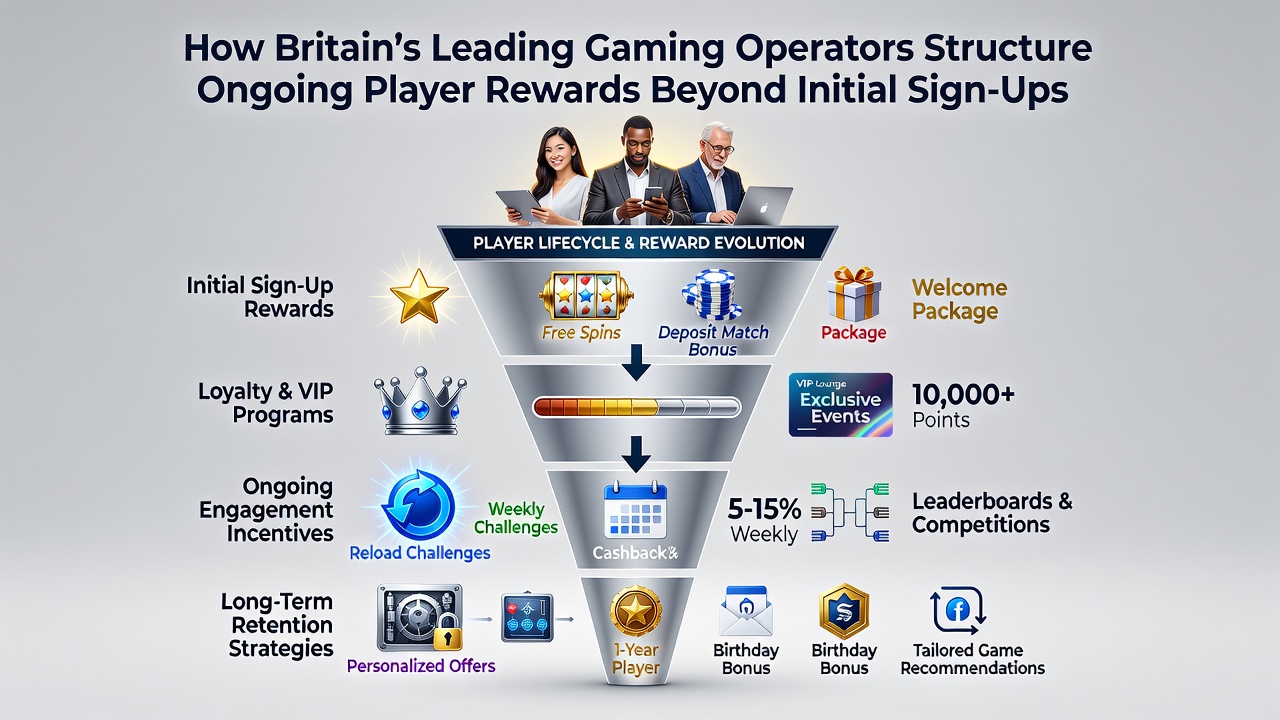
How Britain's Leading Gaming Operators Structure Ongoing Player Rewards Beyond Initial Sign-Ups
Britain's major gaming operators maintain structured loyalty frameworks that extend well past welcome bonuses, and these systems rely on ongoing activity tracking, point accumulation, and tiered benefits to retain participants. Operators such as those operating prominent betting and casino platforms calculate rewards through algorithms that monitor bet frequency, stake levels, and game preferences over weeks and months. Points systems convert player actions into redeemable credits, while cashback percentages adjust according to recent wagering volumes rather than one-time deposits. Loyalty programs operate on a core model where daily or weekly engagement generates credits that unlock free bets, bonus spins, or deposit matches. Participants earn base points for standard bets and receive multipliers during promotional periods, which accelerates progress toward higher reward brackets. Data from industry reports shows these mechanisms distribute benefits proportionally to sustained play, creating a feedback loop that encourages regular logins and varied game selection.Points Accumulation and Redemption Mechanics
Operators divide rewards into categories that reset on monthly or quarterly cycles, allowing players to exchange accumulated points for specific perks without carrying over unused balances indefinitely. Redemption options include tournament entries, merchandise, or direct account credits, and each operator publishes clear conversion rates that tie point values to current market conditions. Those who study these structures note how redemption thresholds rise with account activity levels, ensuring higher-volume players access premium options unavailable at entry tiers.
Personalization layers add another dimension, as operators segment users based on preferred sports markets or casino titles and tailor offers accordingly. A player focused on football accumulators might receive targeted multipliers during league seasons, whereas slot enthusiasts encounter spin packages aligned with new game releases. This segmentation draws from behavioral analytics that track session duration and bet types, allowing systems to predict and deliver relevant incentives before players request them.
VIP Tiers and Progressive Benefits
VIP structures progress through multiple levels determined by lifetime deposits, average bet sizes, and account tenure. Advancement unlocks dedicated account managers, higher withdrawal limits, and exclusive event invitations, while each tier maintains distinct cashback rates that increase incrementally. Operators publish tier criteria on their platforms, and participants receive automatic status updates when metrics qualify them for upgrades. Seasonal adjustments sometimes occur, particularly around major sporting calendars, which can accelerate or extend qualification windows.
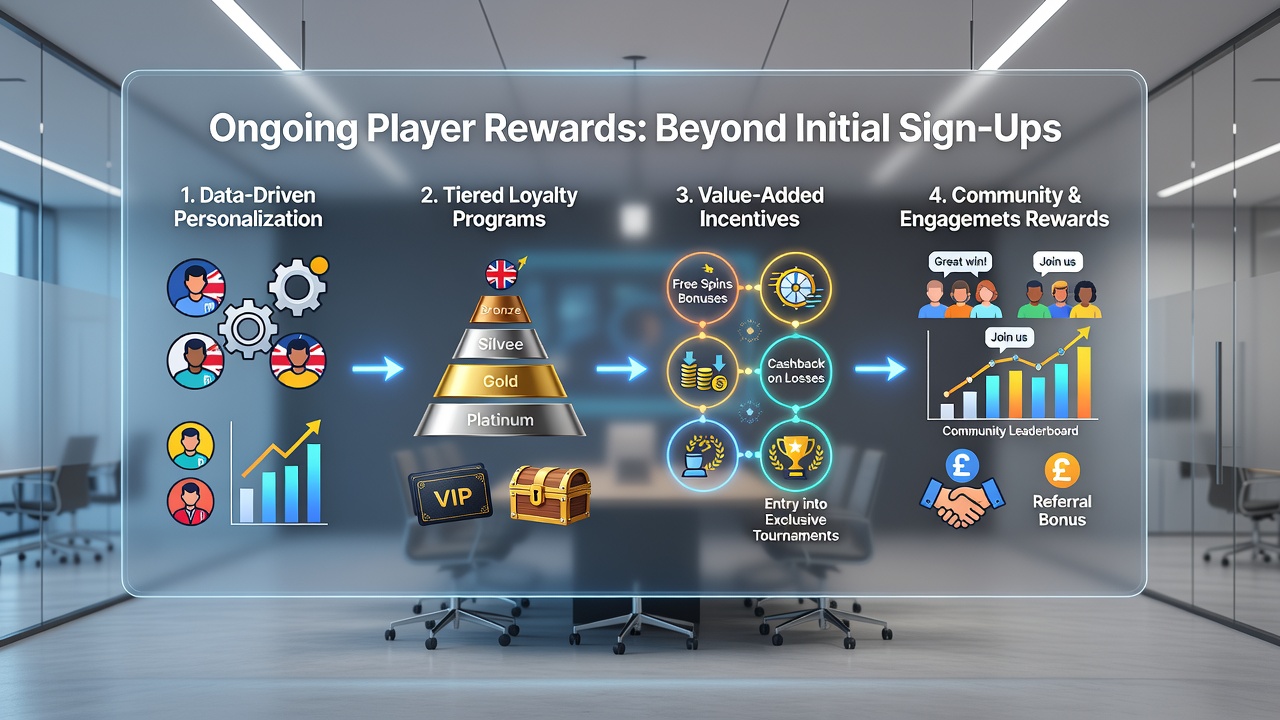
Additional benefits at upper tiers include birthday bonuses, travel packages tied to major events, and priority access to limited-time promotions. Research from the Responsible Gambling Council in Canada indicates that tiered systems in comparable markets maintain retention rates through these layered incentives rather than isolated offers. Operators in Britain apply similar logic, adjusting tier thresholds periodically to reflect changes in player demographics and platform usage patterns.
Integration of Cashback and Loss Protection
Cashback programs form a distinct category that refunds a percentage of net losses over defined periods, typically calculated weekly or monthly. Rates vary by tier and game category, with sports betting often carrying different percentages than casino or poker sections. These refunds credit directly to player accounts as bonus funds subject to standard wagering requirements, which operators enforce uniformly across reward types. Loss protection elements sometimes combine with cashback to cap weekly deficits for qualifying accounts, providing a safety net that encourages continued participation.
Operators coordinate these features with external regulatory updates, and figures from the Australian Gambling Research Centre reveal how comparable frameworks elsewhere adapt reward structures in response to policy shifts. As of September 2026, British operators continue refining these elements to align with evolving compliance standards while preserving the core progression mechanics that drive long-term engagement.
Personalized Campaigns and Communication Channels
Targeted email and app notifications deliver time-limited rewards based on individual play history, and operators test subject lines and offer formats to maximize open rates. Campaigns often bundle multiple incentives, such as combining a deposit match with free spins on selected titles, to increase perceived value. Tracking shows that players who engage with these personalized messages redeem rewards at higher rates than those receiving generic promotions.
Push notifications and in-app messages further streamline access, allowing instant claim of small daily rewards that accumulate into larger benefits over time. Observers note that timing plays a role, wth operators scheduling messages around peak activity windows identified through user data patterns. This approach maintains visibility without overwhelming inboxes, and it supports the broader goal of converting occasional participants into consistent account holders.
Conclusion
Britain's leading gaming operators sustain player engagement through interconnected loyalty layers, tiered progression, and data-driven personalization that operate continuously beyond initial sign-up phases. These structures rely on transparent point systems, adjustable cashback rates, and VIP milestones that reward cumulative activity across betting and casino products. External research from varied international sources confirms similar retention strategies function effectively in other regulated markets, providing benchmarks that influence domestic implementations. The result remains a dynamic environment where ongoing rewards reflect individual behavior while adhering to published rules and periodic regulatory adjustments.